Showing posts with label Organic_farming. Show all posts

Thursday, August 14, 2025

Open source Permaculture Guidebook for the tropics

 Link: https://permacultureprinciples.com/post/open-source-permaculture-guidebook-for-the-tropics/

https://permacultureprinciples.com/mini-course-sign-up/

A beautifully illustrated, practical, open-source guidebook tackling climate change and creating community resilience is being created, enabling people across the tropical world and beyond to have access to the information, strategies and techniques they need (and you can help make it happen!).
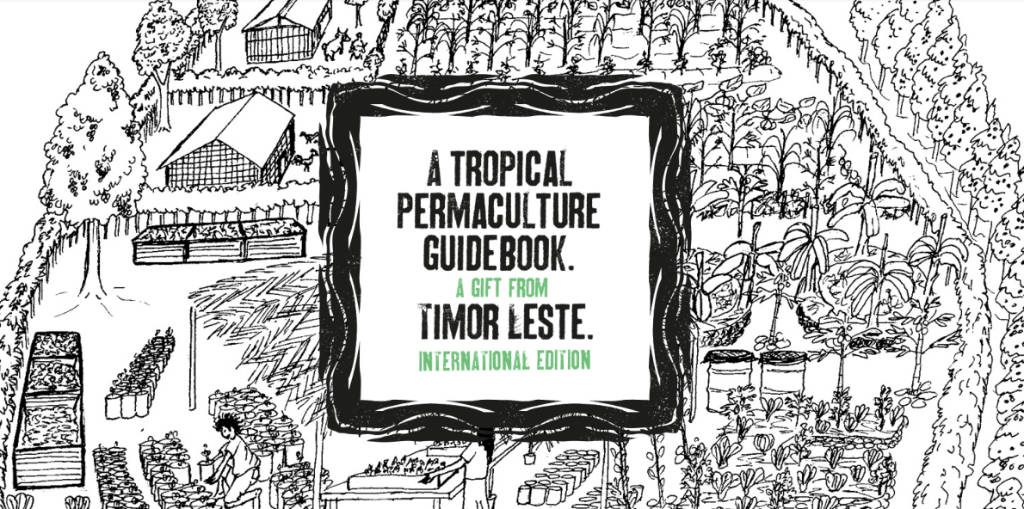
tropical-permaculture-guidebook-bannerMany of you may have heard about our project by now. Permatil (Permaculture Timor Leste), xpand Foundation and Disruptive Media have come together to produce the Tropical Permaculture Guidebook. Developed from the highly successful Permaculture Guidebook from Timor Leste published by Permatil in 2008; used by farmers, families, community groups, trainers, government departments, schools, universities, agricultural colleges and NGOs in Timor Leste, and re-used and translated in more than 10 countries.

The guidebook is open source because that is the permaculture way, and with rapid change desperately needed, we need permaculture education and resources to spread as fast as possible. Across the globe it is clear that a big shift is starting to occur; towards small-scale intensive, organic, family owned agriculture systems. We can help accelerate this, and ensure that permaculture’s whole systems design approach is integrated as well.
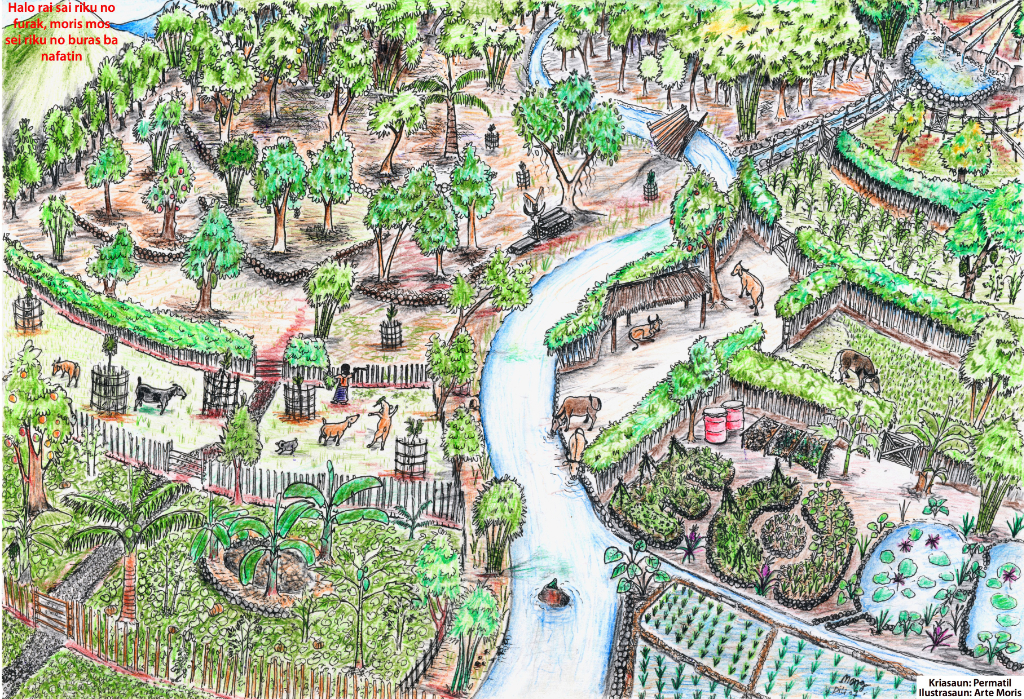
tropical-permaculture-illustrationEnabling this change to occur requires farmers and families having access to the information, strategies and techniques they need.

On top of this, climate change is already creating havoc with food production and water supplies, and vulnerable communities in the tropics are hardest hit. It will increase dramatically unless fast action is taken. Increasing soil and carbon content in the soil is perhaps the easiest and most important measure needed to reduce climate change. **
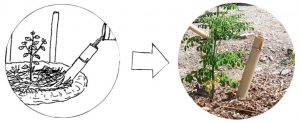
image005

This guidebook tackles these fundamental issues on climate change, simultaneously providing permacultures solutions and creating community resilience. It turns theory into practical steps that anyone can take and use to affect positive change.

All aspects of food production and living are covered, including a focus on agroecological, small-scale, organic food production, integrating crops and based on regenerating soil, water and the surrounding environment.
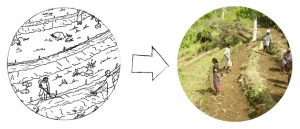
From ideas to reality

The new edition is a comprehensive up date; including hundreds of new illustrations, new chapters and techniques, with the content now generalised for all tropical countries. The easy to understand information can be used by readers of all economic and social backgrounds, and with over 2000 detailed illustrations, it is especially useful for semi-literate and illiterate people.

Once the English edition is complete, and when further funding is attained, translations to other languages including Spanish, French, Portuguese and national languages will commence.

Follow us on Facebook at Tropical Permaculture Guidebook and you can also sign up to the email list to receive occasional updates regarding the progress of the guidebook, both online and printed editions.

There are currently six chapters completed and available from www.permacultureguidebook.org with the other chapters being added as they are finished. If you are able to support the project by donating a small amount of money, it will help achieve the production goals and keep the guidebook free for those who can’t afford it. There is a donate button next to the chapters for download, or you can go straight to the crowdfunding campaign.
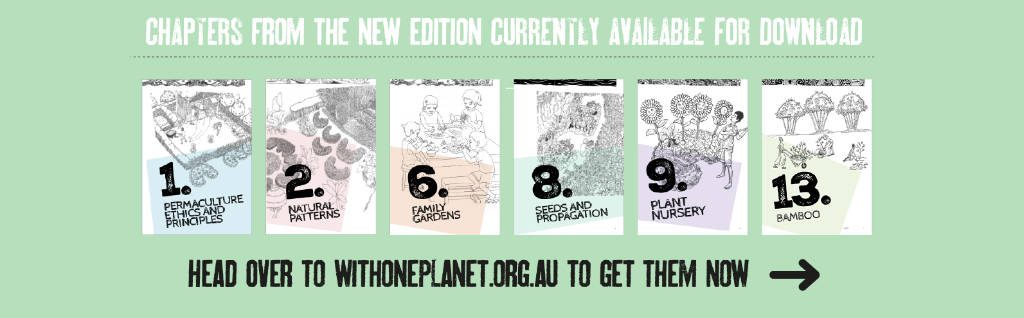
tpg-chapters


Rowe MorrowPermaculture luminary Rosemary Morrow on the original guidebook:

“Several years ago I came across the original publication and thought what an excellent resource it is for villages and teachers of permaculture. It’s strength lies in the number of strategies and techniques it offer practitioners. The book is easy to handle and well indexed. The drawings are clear and represent a reality for readers. It is especially valuable in being available in several languages. I introduced it to a permaculture design class in East Timor and the students were excited to have information of such good quality.

The book’s potential is beyond the islands of SE Asia. For example I had some chapters of the book translated into Luganda in Uganda and it was immediately swallowed up by keen students and we could have printed many many copies.

Having taught in so many tropical countries with their range of ecosystems, it is evident that the guidebook needs wider dissemination around the equatorial regions. All equatorial east and west Africa, and then there is South America. One of the problems in disseminating permaculture information is lack of suitable and relevant resources particularly for the tropic regions. I hope the present book will be revised, updated and made available to students and farmers to meet a need for their will and right to know, and render their lives more sustainable and productive.”


Tuesday, October 3, 2023

The Need to GROW

 Source: https://grow.foodrevolution.org/


This is a story of CUTTING-EDGE

SOLUTIONS to climate change.

With the planet on the brink of ecological disaster, with chronic disease rates skyrocketing, many are wondering...

“What can I do?”

Start by watching The Need To GROW.

An environmental film that gives the world hope.

Change happens when people know the truth.

THE ENVIRONMENTAL FILM THE WORLD HAS BEEN WAITING FOR

“No human being on the planet should miss this film.”

— Society of Voice Arts and Sciences


“Perhaps the best film on sustainability I have ever seen.”

— Teddy Grouya, Founding Director - American Documentary Film Festival


“I loved this movie...it was one of those environmental movies that gave me hope.”

— Todd James, Global News


It will make you laugh, make you cry, give you chills, and inspire you to participate in the restoration of this beautiful Earth.

The Need To GROW takes you inside the hearts and innovations of three very different leaders.

An 8-year-old girl challenges the ethics of a global organization.


A renegade farmer struggles to keep his land as he revolutionizes resource-efficient agriculture.

A visionary inventor faces catastrophe in the midst of developing a game-changing technology.

Thursday, July 6, 2023

The Soil Solution to Climate Change

What If A Solution To Climate Change Was Beneath Your Feet? 

Soil is a living universe beneath our feet. As important to our lives as clean air and water, soil also holds a potential solution to the global climate crisis. Increasing numbers of scientists, farmers and ranchers are implementing innovative land use practices that build fertile soil and sequester atmospheric carbon  These methods of land management have the potential to provide us with nutritious food, improved human health, cleaner water, and a healthier planet for all.

World wide, most soils are depleted of carbon. The atmosphere contains an excess of carbon in the form of CO2, a climate change causing gas. What if that CO2 could be removed and stored in our carbon-hungry soil through land management practices? Find out how in The Soil Solution.

The Soil Solution to Climate Change was one of thirteen films featured in A Climate of Change Tour sponsored by 350.org, TRUST campaign and Wild and Scenic Film Festival.  It has screened at the Santa Barbara International Film Festival, Sausalito Film Festival, Awareness Festival, Davis Film Festival, Wild and Scenic Film Tour 2013 and the One Earth Film Festival. 

Anything that we do to increase soil fertility could be a step in reversing climate change. 

Here's what you can do:

 What Goes Up Must Come Down!- Cover bare soil with plants! Fertile soil is a natural sink for atmospheric carbon; the very same carbon that contributes to climate change.  Excess carbon can be pulled out of the atmosphere by photosynthesis and into plants and the soil where it can have a beneficial effect. 

Support Farmers and Ranchers Who Treat The Soil Like Gold- Buy from local food producers who increase soil fertility by using climate friendly agricultural methods including no or low-till plowing, cover cropping, composting and organic farming. If you eat meat, buy grass-fed beef from ranchers who practice holistic or rotational grazing methods that mimic the natural patterns found in nature. 

If You Grow Your Own Food, Grow Your Own Soil- If you grow food, take care of your soil. Increase soil fertility by avoiding the use of toxic synthetic pesticides, fertilizers and herbicides on your garden or lawn. These poisons kill microorganisms that reside in and on the soil.  These organisms perform numerous ecosystem services; including providing nutrients for plants, creating soil humus and loam and increasing plant health.  The soil is filled with billions of unemployed microorganisms ready and willing to take on the job of providing nutrients to plants and indirectly to you. 

Increase Your Skill Set- If you feel hopeless about climate change- it’s time to take action. Learn how to grow food without increasing atmospheric CO2. Take a course in organic gardening or regenerative farming. If you work with animals, learn about the benefits of rotational grazing.  Get to know your local soil microbes and the Soil Food Web.

SYMPHONY OF THE SOIL


By the end of this video your will learn a lot about soil. Particularly, you will understand soil formation factors, soil formation processes and soil types. After watching this video you will have a good package of skills and knowledge about soil genesis and classification. ----------------------------------------------------------------------------- For details about soil you can check following links: 1. Living Soil Film    • Living Soil Film   -------------------------------------------------------- 2. Dirt! The Movie (FULL)    • Dirt! The Movie (...   ------------------------------------------------------------- 3. Symphony of the Soil - Deborah Koons Garcia, Thomas J. Akin, Serita D. Frey, PhD, Jim Ward    • Symphony of the S...   -----------------------------------------------

Tuesday, March 7, 2023

New Short Film: Farm to School

Source: Center for Ecoliteracy

The short film Farm to School premiered at the 2023 Watsonville Film Festival. It was co-produced with Esperanza Community Farms and directed by Inspira Studios.

Through our California Food for California Kids® initiative, the Center for Ecoliteracy supports school districts like Pajaro Valley Unified in serving fresh, locally-grown school meals. We are grateful for the support and engagement of this community, and especially for the involvement of the committed students featured in the film.


Monday, May 25, 2020

Fragile vs. Resilient Food Systems

Source: Films for Action


"Covid is shining the spotlight on the fragility of the linear systems that we have come to rely on.

In many countries, particularly in the US, the food system has been thrown into chaos. The industrial food system is inherently fragile. One missing link in the chain means the entire process grinds to a halt.

There are alternatives. 70% of the world's food is produced by smallholders (5 acres or less) and distributed to their local communities. Where I live in Central Victoria, we have created a thriving food network similar to the food systems that existed worldwide before industrialisation changed the way we eat. In our world, if one element of the network fails, there are many more to pick up the slack. A network like this can respond to change. It can adapt. It has humans at its source, so a bad year for one small farm provides an opportunity for the community to help out. In a system of people and not corporations you will never see millions of litres of milk thrown away or abattoir workers being forced to work when they're sick. You will not see the overt disregard for animal rights and the destruction of planet, climate and indigenous lands. You will never see millions on tonnes of food rotting in the fields while supermarket prices rise.

Creating resilient food networks is an exciting space, and many local councils, farmers and groups are bringing about positive and lasting change in this field. Check out what's going on in your area, find and meet your farmers, and plant food everywhere." - Brenna Quinlan

Sunday, April 12, 2020

Permaculture and Community Resilience - Free online course

FREE ONLINE COURSE

2020 COVID-19 REALITY

+++ COVID 19 IS CHANGING OUR REALITY +++
IT IS ON US TO PROACTIVELY CHANGE OUR REALITY TOGETHER & BY OURSELVES


Permaculture and resilience free online course

Be informed about new content

If you do not want to miss out on content and do not fully trust in the functioning of social media algorithms just subscribe here and we will send you the new content right into your mailbox.

Key design drivers

Before we get into the details and content of our COVID-19 Community Resilience & Permaculture Course, we want to share some of our values, beliefs and design drivers for this course. Our main design drivers are pretty solid and whatever we will change in terms of the structure and methods, our main purpose for this course will be consistent; we want to serve and increase resilience. By focusing on resilience and adding some more topics, techniques, and methods to the regular PDC curriculum we hope to
  • empower people in this time of isolation, uncertainty, and fear 
  • build resilience on an individual, community, and global level
  • create the foundation and confidence to change our reality towards something new


Expectation managment

This entire project is work in progress. The content is and will be produced just in time and on top of our daily community structure and workload. At Gaia Ashram, we are fostering our food production at the moment with the aim to become more independent from outside food supply. To achieve this goal we are dedicating time and energy towards working with the land and the plants. This by itself is already a healing experience.
Nevertheless, we are trying our very best for every bit of content (video, text, graphic) we are about to share with you. We put our priority in terms of energy input towards the quality of the thematic content as this is key! But we know how important pleasing and well-created images and videos are; especially for you guys to absorbe as much as possible. Because of that, we try our very best and we hope to increse quality over time.
If you have time, skills, or any other resources that you would be willing to dedicate to this course we are happy for co-creation and co-ownership. This is about impact and not about ego. Please send us a email if you have any idea how to make it happen! We also love to listen to your constructive feedback so please share your thoughts, ideas, and recommondations with us.
Furthermore, this online course is not designed to replace a “real” Permaculture Design Course. Please understand it as a first step into the permaculture world and a great foundation to foster independence and increase resilience in your individual life. Our next “real life” PDC will most likely start on November 25, at Gaia Ashram in Thailand. If you’re curious, you can find all details here.
Thank you for becoming active and being part of this course! Let’s make it together and create a new reality full of love, peace, resilience, independence, and stewartship.

Structure of the course

The online course is following the daily sessions we are holding at Gaia Ashram at the moment to increase our own resilience and knowledge. We started with the community sessions pretty much 2 weeks ago. By now we feel ready to bring it out to you and share it with our global community.

Whenever we will upload a new session it will be automatically updated to this page and highlighted as new content. To keep yourself up to date you just have to visit this website from Monday to Friday for new content. If you want to get the newest content right into your mailbox, just write us a short email to info@flowful.org and we are happy to keep you on track.
We will start from patterns to detail and create an overall picture first before going into the details and the magic of the different permaculture tools and techniques. The content, tools and teqniques of permaculture are working under all climate conditions. In this course we will focus on temperate and tropical climates and will showcase examples from both climates.

Who can participate?

Everybody can participate! It doesn’t matter if you already have a some knowledge and experience or if you are just about to start to discover the permaculture world. The content is designed in a way that everybody will get the right thing out of it supporting your individual learning journey. The only requirement is to staying active and open-minded to new things and concepts.

Permaculture & Community Resilience Course Sessions

Let’s go to to the content and start our learning journey together. To get the most out of it you might want to follow the given strucutre and read and watch the content in the upcoming order.

BEFORE YOU START: BETTER TOGETHER AND MANAGE EXPECTATIONS

Please have a look at this part first. After this you will
  • be able to manage your expectation with regards to the course structure and content.
  • have a better idea what this course will look like.
  • understand the power of co-creation and co-ownership
  • know how you can support this project with your expertiese and energy.

SESSION 1: INTRODUCTION

Turning problems into solutions at Gaia Ashram, an alternative education centre in Thailand. After this session you:
  • have an understanding about the framework condition this online course was emerging from.
  • will understand why we decided to serve and make this empowering permaculture content available for everybody
  • will know one practical example of the permaculture principle “Turning problems into solutions” as well as “Creativly responding to change”.

SESSION 2: COMMUNITY RESILIENCE AND EMPOWERMENT

After finishing this session you will be:
  • introduced to flowful’s perspective on permaculture
  • introduced to an easy method to check and increase your level of resilience
  • able to distinguish between functions, elements, and methods
  • empowered to analyze your own next step to increase resilience or come closer to your goals

Session 3: Placement of elements

Interacting with nature the permaculture way. How to choose the right element and the right place? After finishing this session you will:
  • Be able to question yourself about why you are about to implement an element
  • Know the three aspects of placement
  • Be able to place a single element on your land.


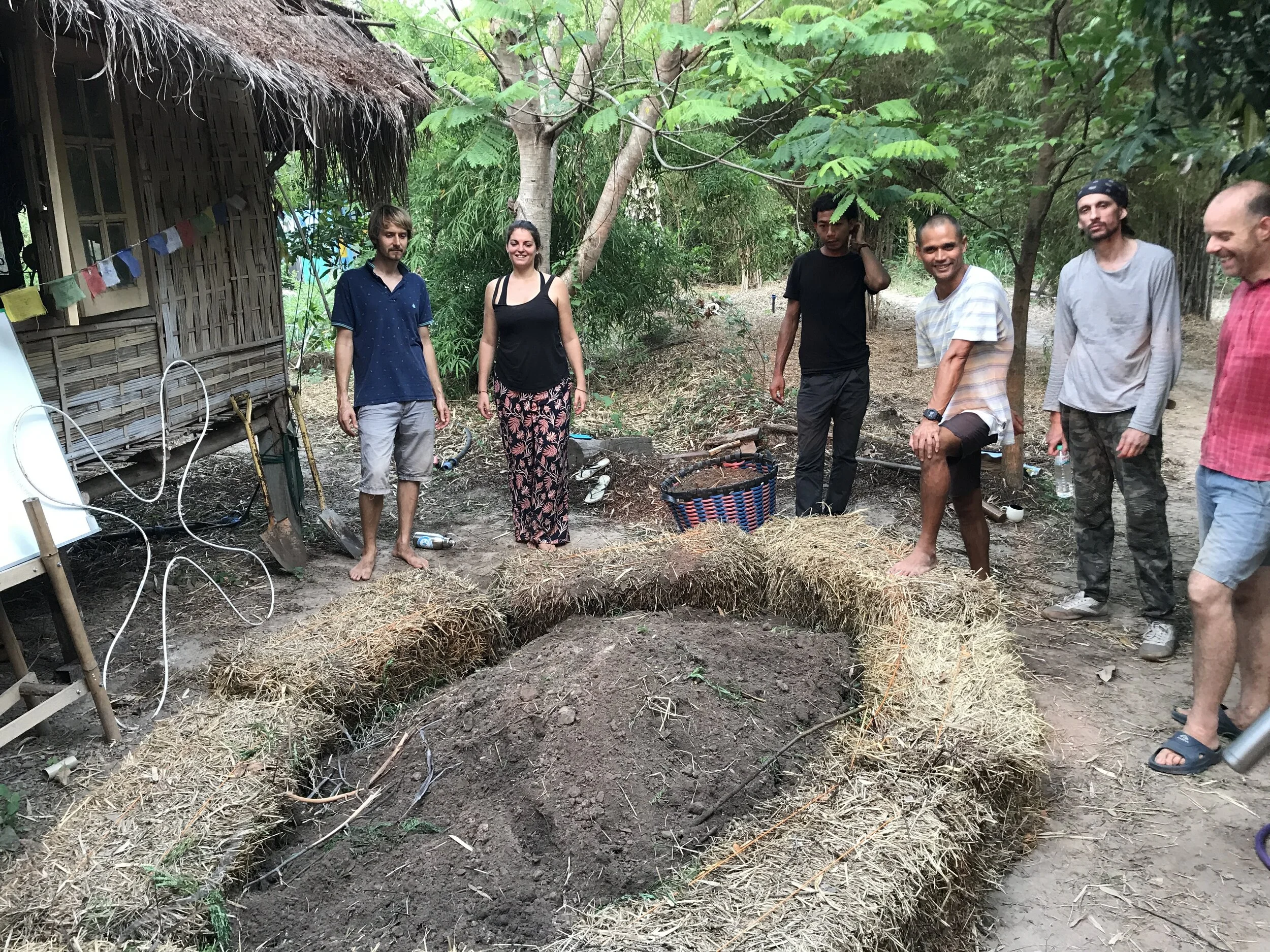
Session 4: Implementing a Hugelkultur garden bed

This session is dedicated to implementing Sepp Holzer’s famous Hugelkultur to create a new garden bed (horticulture). After this session you will:
  • Be introduce the concept of a Hugelkultur garden bed
  • Know the 5 steps to implement a Hugelkultur garden bed
  • Understand what one Element many functions is about
  • Be introduced into the benefits of Hugelkultur:

Session 5: Permaculture Overview (Online April 14)

Session 6: Basics of Soil (Online April 16)

Session 7: Permaculture Principles (Online April 20)

Session 8: tba


The team behind this course

This project is way more than a flowful project. It is a permaculture jam where our global friends contribute their expertise and compassion to make an incredible learning experience and (online) community happening for all of us. For now, the following people are mainly involved:

CONTENT

Karla+Franielczyk+Permaculture
Lars Blume Permaculture
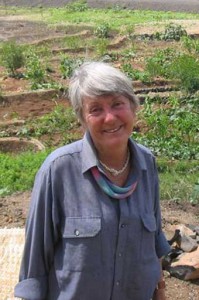
Karla Franielczyk is a permaculturist, yoga teacher, and natural builder. Always attracted by nature, she deepened her connection with Mother Earth through becoming vegan and finally did her Permaculture Design Course at the Panya Project, Thailand. Living at Gaia Ashram for almost 2 years, Karla has been practicing permaculture in her day to day life. She is passionate about soil, ecosystem restoration, holistic living, social permaculture, and natural building.
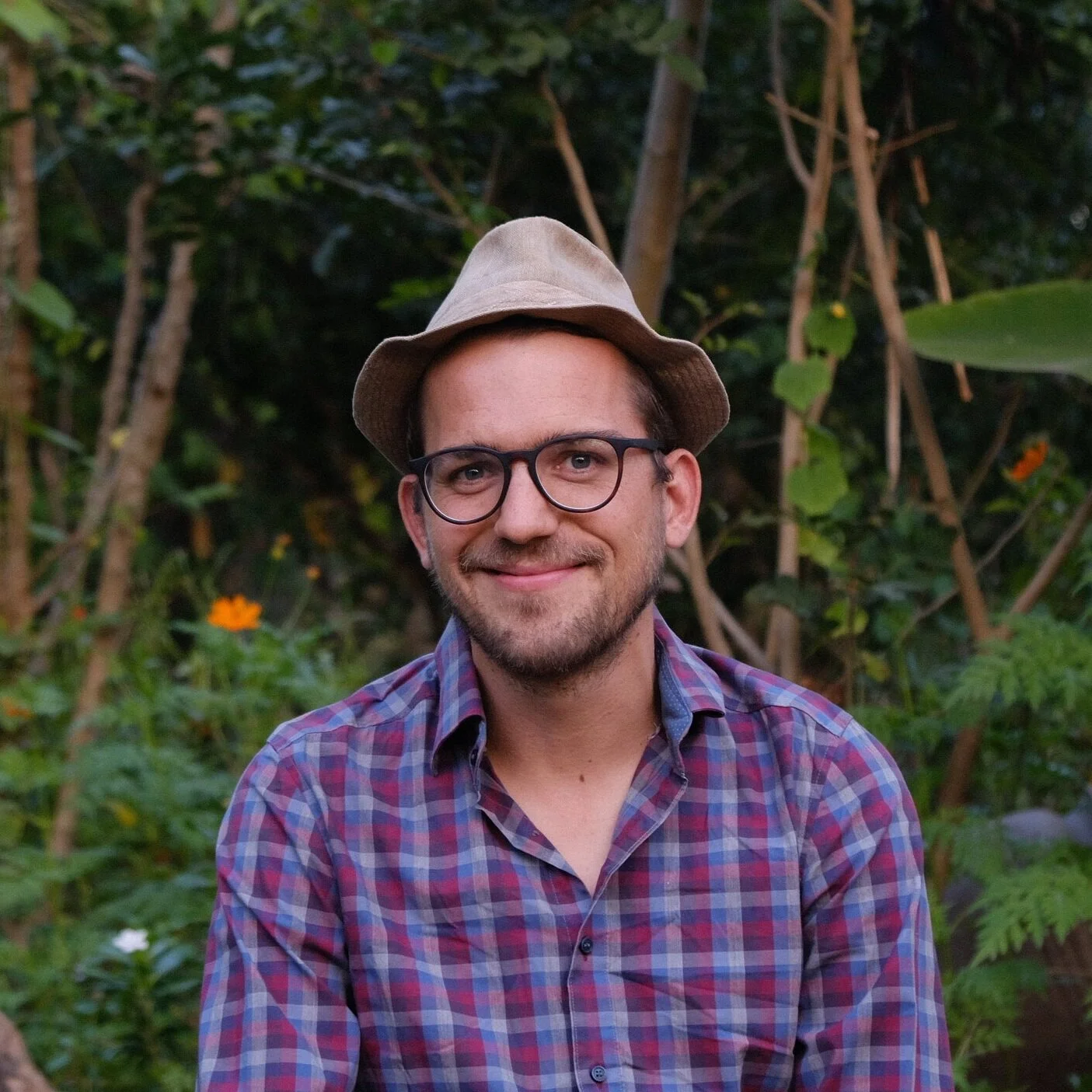
Lars Blume discovered his love for gardening in his early childhood and was introduced to the magic of plants by his grandparents. While supporting them to grow fruits and vegetables in the family garden, he gained a basic understanding and a natural way of interacting with soil and nature. He is passionate about increasing social, environmental, and animal justice with a focus on food democracy. Lars’ key learning and one of the reasons to co-found flowful is to keep on learning and stretching the personal comfort zone every single day.

VISUALISATION

Fanny Dido Scatching the move
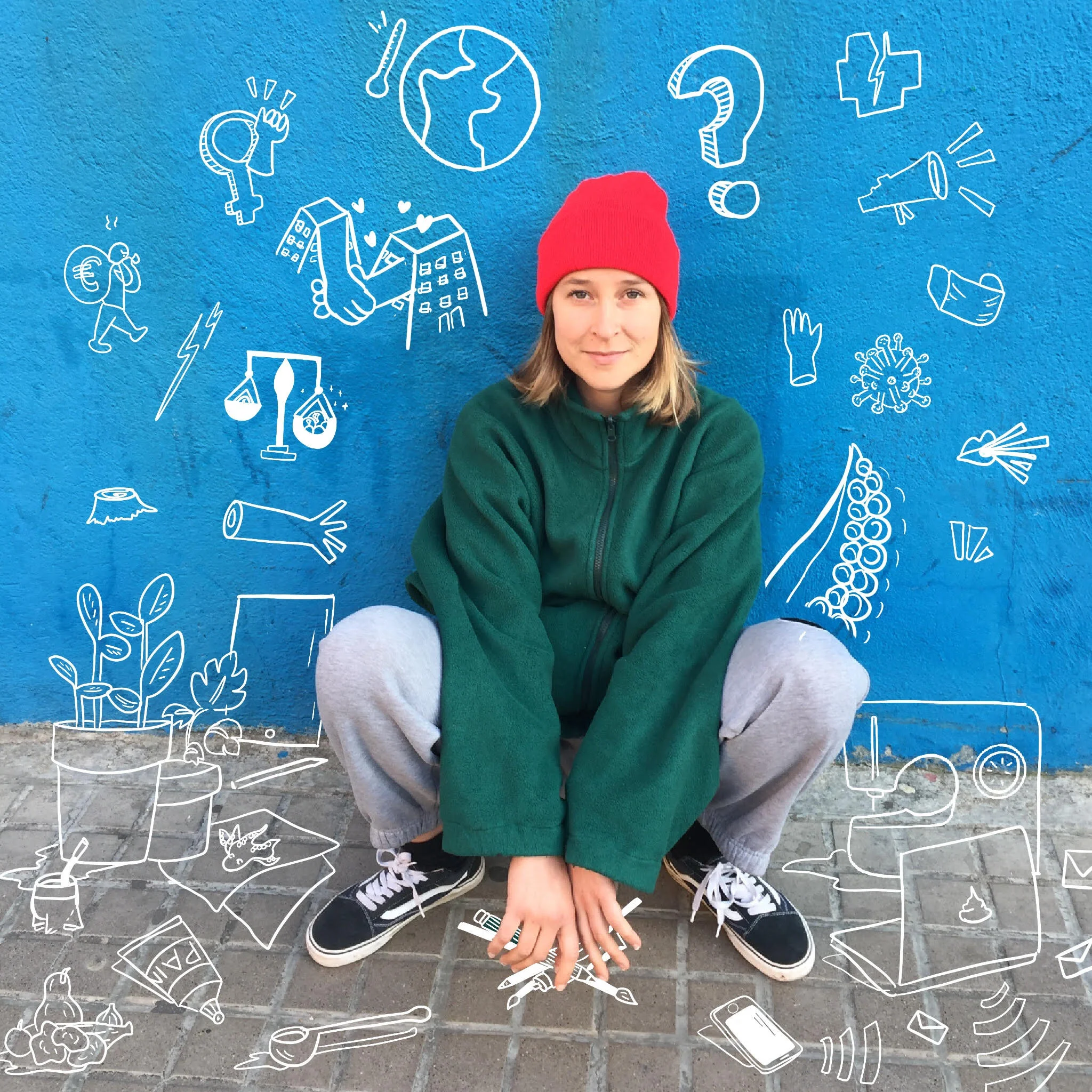
Fanny Didou is a graphic facilitator and graphic recorder. She founded sketching the move in order to support dialogue through a universal language: drawing. Fanny originally is from Britany in France and is currently living in Barcelona.
Sustainability is a key driver in the projects she is involved in. She is an illustrator and works with organisations involved in making an environmental and social change. She is also using creative methods in environmental education.


Link: https://www.flowful.org/permaculture-resilience-online-course?