Mosaic, a platform serving self-directed learners and leaders, is launching today! On it, you’ll find community, resources, and personal stories (including upcoming ones by NoNo and KK) for wherever you are on your unschooling journey.
MOSAIC IS FOR ALL OF US WHO BELIEVE THERE’S A BETTER WAY.
The pandemic ignited big questions around how we learn and the effectiveness of our education system. It reinforced how our current system has—by design and since its inception—perpetuated the worst forms of inequality, segregation, and alienation.
We will likely never return to “normal.” Parents, young people, and their communities are looking for a different way. A better way. One that celebrates and nurtures our natural sense of wonder and curiosity.
Self-directed education—also referred to as independent learning, unschooling, self-directed learning, liberated learning, and independent learning—is a way of life and learning that puts young people in the driver’s seat of their education. It’s been around for decades—and new families discover it every day.
Thousands of young people wake up in charge of what they learn and how they learn it. They follow their passions and interests. They light up with curiosity. They do it at home. They do it with their families, their friends. They do it at community centers. And in the process, they develop tools for inquiry, empathy, and self-determination.
Whether you’re curious about self-directed education or you’ve been doing it for years, Mosaic is for you.
WHAT WE DO
Mosaic is a platform serving independent learners and leaders who believe that young people should be free to drive their learning.
We launched in July 2021 and will evolve over the coming months and years—with your input and ideas. We believe that more and more families and young people will embrace independent learning if they are able to see it in action, hear from those who are living it, and receive the support and the resources to overcome common barriers.
HOW MOSAIC CAME TO BE
We came to life with the help of a community.
Advisors, leaders, parents, and young people who brought their lived experiences and perspectives to shape and inform Mosaic. Mosaic is a 501c3 funded by entrepreneur, author and philanthropist Jeff Westphal, who is committed to using his resources and experience to advance transformational change toward deeper meaning in business, education and autism treatment. He is an unschooling parent who believes in the power of independent learning and the imperative to make it accessible to all communities. The idea for the platform emerged after a multi-year effort to understand why and how our existing education system is failing so many of the young people it serves and how independent learning allows young people to find their passion for learning and intrinsic meaning in their lives.
FOR COMMUNITY AND BY COMMUNITY
Mosaic centers the stories and voices of those who live and breathe unschooling.
Our resources are created by people with lived experience and expertise in self-directed education—in their voices and from their perspectives.
During a typical summer, Plum Village hosts hundreds of families that come with their children to practice mindfulness. We invite you to enjoy a selection of Plum Village practices created especially for children.
Everyday Mindfulness
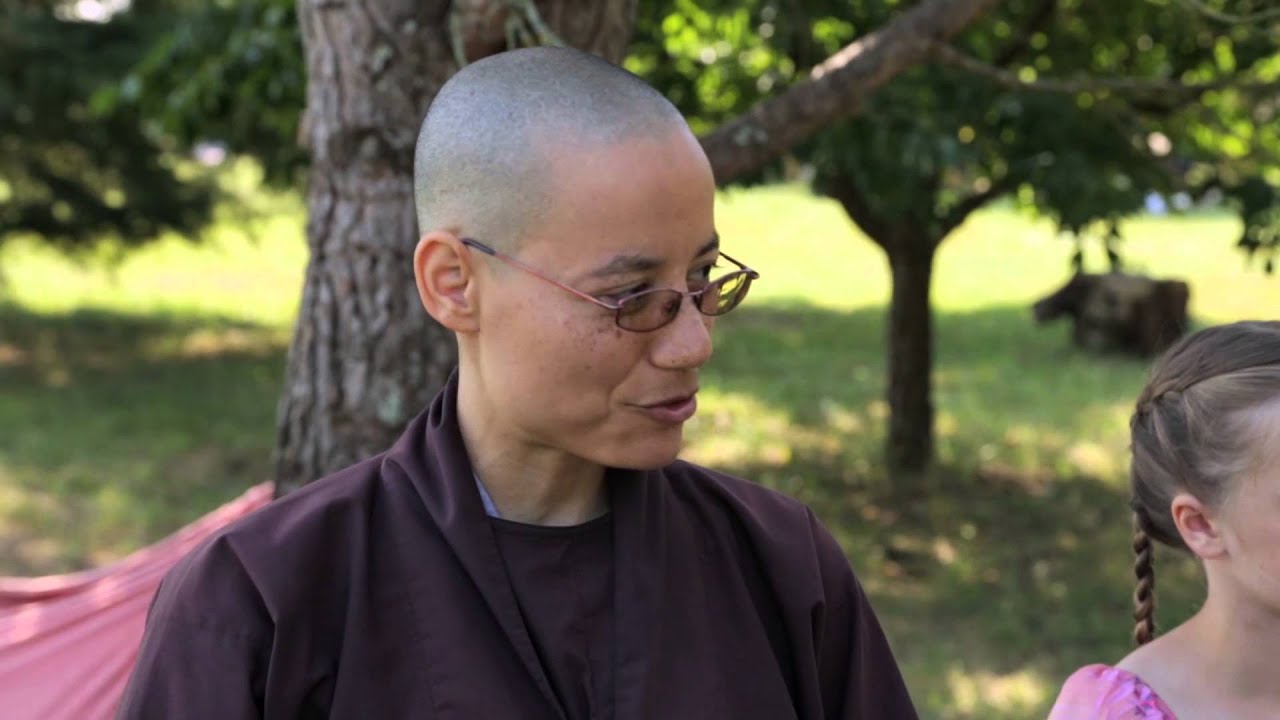
How do we cultivate stability and freedom in our daily lives? Can we enjoy eating our food in mindfulness? Brother Phap Luu offers a pebble meditation for children to use and Kaira Jewel shows them how to enjoy a simple snack in mindfulness.
Pebble Meditation
Snack Meditation
Inviting the Bell
Inviting the bell at home is an important practice for the family to return to themselves, or to calm a tense situation. Anyone with some mindfulness in the present moment can do it, including our children.
Inviting the Bell
Does the Buddha live in the bell?
Handling Strong Emotionsons
When children learn how to calm their strong emotions, they begin to learn how to take care of themselves and bring stability into their lives.
Sailing your boat in a storm
Hugging meditation
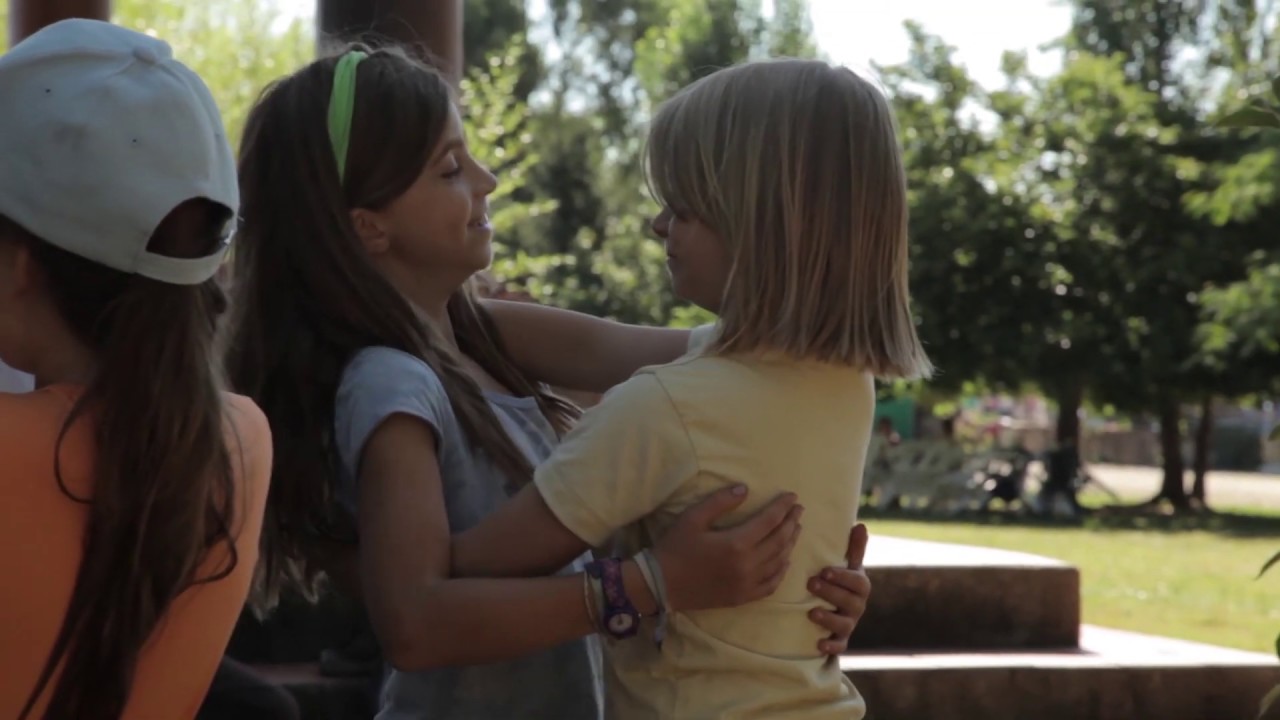
A hug always makes everything better! Brother Phap Lai teaches hugging meditation to the children.
Hugging meditation
Singing!
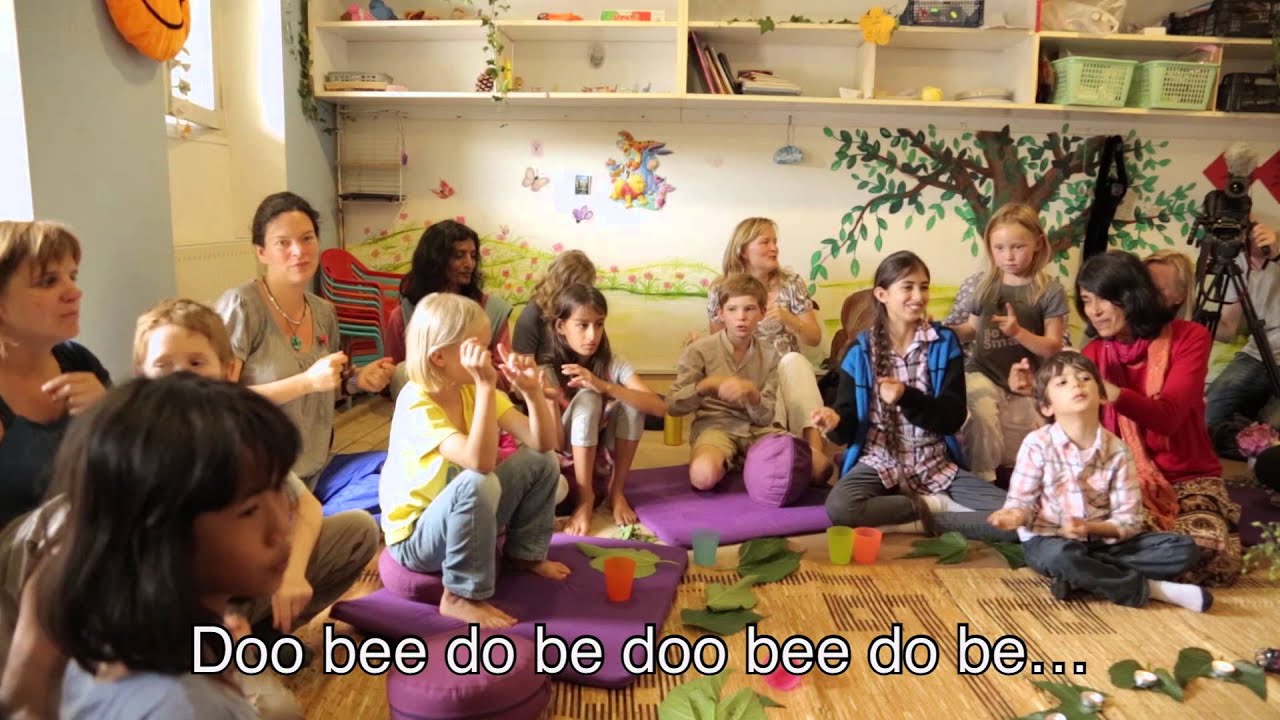
No Plum Village practice is complete without singing! Singing helps us to cultivate joy and mindfulness.
How to Craft a Personal Development Plan That Inspires Meaningful Results
by Scott Jeffrey
Overview: This guide provides a comprehensive 7-step process to create a customized personal development plan to help you actualize more of your true potential.
______________
I leaped into the personal development world with a copy of Tony Robbins’ Personal Power program. You know, the one from those late night infomercials?
I was 18, and this audio program made a measurable difference in my outlook and behavior.
From that moment onward, I was hooked by personal development. I jumped into whatever interested me.
I hopped from seminar to seminar, from book to book. Investing every possible moment I had, I covered a lot of ground in my first five years.
Reflecting almost 25 years on my personal growth journey, I now see I was missing several vital ingredients essential for long-term, healthy development.
Community living is an affordable way for people to live, in ways that fit their shared values.
These communities are usually climate-conscious and strive to be as sustainable as possible.
Frankie lives in a six-bedroom house on the outskirts of Leeds. She is her own landlord, but doesn’t own the house. Instead she is part of a co-operative housing group: together, they have been able to buy the house and then rent it at an affordable price back to themselves as tenants.
Just a few miles away, another group has secured funding to design and build an eco-community of up to 30 households, including what is known as a common house: a shared house with a kitchen, laundry, workshops, a meeting space, guest rooms and gardens.
Much further away in north-east Germany is a 37-acre site where a group of people live and work together sharing food, childcare and resources. They have created a community where relationships and the environment are given primacy.
All three of these are examples of intentional communities: groups of people who have chosen to live together in a way that reflects their shared values. These communities come in a variety of shapes and forms, from squats and housing co-operatives to communes and co-housing communities.
Intentional communities are by no means a new idea, but they have often been cited as the experimental spaces or test beds for the future. They are sometimes considered as utopian experiments where groups and people strive to create a better life.
Many people are looking for antidotes to ever-increasing consumption and feelings of social isolation. There is no single solution, and we will need to look at all aspects of our lives, from the way we consume to day-to-day practices. But for some, the solution is to be found in communal living and intentional communities. It may be that some of the ideas being tested in these communities can create the blueprints for the towns and cities of tomorrow.
Back in the 1970s, many new communities were formed as a backlash to mass urbanisation and industrialisation. Such groups bought up rural property, often with land, and attempted a “back to the land” lifestyle informed by ideas of self-sufficiency.
Many of these communities failed, but some still function successfully today, often in their original form. For example, Canon Frome Court collectively manages a 40-acre organic farm in Herefordshire. Together, the community grows much of its own food and keeps cows, sheep and chickens.
A community working the fields in their communal garden.
Image: Canon Frome Court
It is difficult to estimate the number of intentional communities worldwide, but they are certainly in the thousands. In the UK alone there are around 300 listed (and many more that are not), with new communities springing up every year.
If we were to use intentional communities as a gauge of social discontent, then the multiple pressures of housing, lack of community, an ageing society and, of course, climate change would be central to this feeling. Look a little deeper, and these problems are actually part a much wider group of social concerns around consumption, global inequality and planetary limits.
In mainstream society, the solutions to these interlocking ideas are presented as top-down measures made via policy, legislation and global agreements, but also as personal choices made by individuals and groups: driving and flying less, consuming more ethically, eating a more plant-based diet, changing the way we work and live.
Those within intentional communities would say that they have been ahead of the curve on this for many years, with ideas such as vegetarianism and self-sufficiency often central to their way of life. They often occupy the necessary middle ground between government policy and individual action. The documentary maker Helen Iles named her series of films on intentional communities “Living in the future”.
Living in the future
So what can we tell about possible directions of wider society from the intentional communities of today?
Some rural communities have embraced low-impact development. For example, Rhiw Las, a rural eco-community in west Wales, has created a sustainable settlement based on strict ecological guidelines.
Meanwhile, urban-based communities, such as Bunker Housing Co-operative in Brighton, look to create high-quality affordable housing for local people. Such co-operatives are based on the principle of collective control and management of property.
They enable groups of people who might not have access to secure housing to form a legal entity, which enables them to collectively buy and own property. They also have the capacity to incorporate or support co-operative businesses, such as food or printing co-ops.
Urban housing co-ops are particularly relevant in areas where house prices and rents can be prohibitively high and exclude certain groups, such as precarious workers or younger people. Housing co-ops can offer secure housing options that also empower people and enable them to live within their means.
The group Radical Routes (a network of radical co-ops) also suggests that when people are freed from excessive rent payments, they are then freer to engage with their communities and participate in social change.
Today’s urban communities capitalise on urban cycle networks and public transport. They are also more likely to engage with green transport options such as electric car pooling and on-site work spaces to reduce travel entirely.
Fishponds Co-Build, a prospective community on the edge of Bristol, has created its own sustainability action plan. Together, they have outlined ways they intend to reduce their carbon footprint through communal living.
The ideas fermented in past communities, such as straw-bale building and shared ownership, are being developed in exciting and creative ways to transform rural and urban living. This can incorporate new building techniques, such as PassiveHaus design in Lancaster Co-Housing, and the development of alternative spaces, such as car-free neighbourhoods.
Intentional communities may not be the solution to all our problems, but they certainly represent an area of experimentation in the ways we share space, shape community and provide a peek at potential ways forward in uncertain times.
UNESCO MGIEP’s flagship project ‘Global Citizenship’ aims to achieve the goal of sustainable and peaceful societies as outlined in SDG 4.7 through a digital curriculum on Global Citizenship education, with a focus on development of key Social and Emotional Learning (SEL) skills. The curriculum has been specifically designed for adolescents in the age group of 12-14 years, understanding the neuroscience and psychology of how an adolescent brain learns.
This course centers on contemporary global issues, with a focus on Global Citizenship. It is designed to enhance your competencies of Empathy, Mindfulness, Compassion, and Critical Inquiry (EMCC), alongside your understanding of global citizenship themes.
Global Citizenship in the Classroom: A guide for teachers
A practical and reflective guide for teachers
This guide is packed with practical tools and advice for teachers wanting to embed global citizenship in their classrooms. Learn how to effectively bring a global lens into your teaching with our handy planning framework, participation methods, and tools to assess learning.
Develop your teaching practice with both innovative and tried-and-tested approaches. Help your learners ask questions, make connections, and take action as active global citizens.