Monday, September 2, 2019

Dare you lead from the emerging future? Otto Scharmer on change.

By MARCELLA BREMER

“We are collectively creating results nobody wants”, says Otto Scharmer (famous for Theory U). That’s why leadership should help people to see the whole system. It is time to change our organizations and institutions, and bust three leadership myths. Make your difference and start with this blog post!
Otto Scharmer is a senior lecturer at Massachusetts Institute of Technology and co-founder of the Presencing Institute. He developed Theory U with colleagues Peter Senge and Joseph Jaworski.
The results achieved by a system depend on the awareness of its peopleCLICK TO TWEETTheory U is a framework based on 18 years of interviews, action learning and research initiated by the intriguing question: Why do some change tools work well in the hands of some practitioners, while in other cases no significant change occurs? Theory U describes a process of learning and change. The gist: the quality of results achieved by any system depends on the quality of awareness from which people in the system operate.
Leading from the emerging futureScharmer’s latest book, written with Katrin Kaufer, is “Leading from the Emerging Future: From Ego-system to Eco-system Economies”. The subtitle explains the book’s wide perspective: Applying Theory U to transforming business, society and self.
Wow! That is a huge challenge. The book presents a framework that can help change-makers understand where they are and how they could move forward. Each chapter concludes with journaling questions for reflection and questions to discuss in a coaching circle. This book is not just meant to be read: it addresses the “who” and “how” of change, and gives guidance for how to start practicing. What can YOU do? How can you make your difference?

Results nobody wants: three divides

Scharmer and Kaufer state that we are collectively creating results that nobody wants. They describe an “iceberg model” in which they discern three visible divides “above the waterline”:
The ecological divide: we currently use 1.5 times Planet Earth; that is our ecological footprint. This is the divide between self and nature.
The social divide: 2.5 billion people live on less than $2 a day, for instance… Here we see the divide between self and other.
The spiritual-cultural divide: people are excluded, experience lack of meaning and more and more feel depressed; here’s the divide between self and Self. Capital Self represents your highest future potential that you may develop – what you are here for on Planet Earth.
(This corresponds with Charles Eisenstein’s work about the Story of Separation – that I will review in another blog post).
Otto Scharmer 3 dividesBelow the waterline are eight systemic disconnects that cause the three divides. You can see them as eight acupuncture points of economic and social transformation – if we fix them. This is recommended reading if you want to amplify your positive impact: you can explore the ecological, income and wealth, financial, technology, leadership, consumerism, governance and ownership issues in Chapter 3: summarized in the insightful Matrix of Economic Evolution. Why not focus on the field that resonates with you most – and start making your difference there?
These eight fields show four levels of systemic evolution.
Otto Scharmer lectureEgo system awareness to Eco system awareness: four levels
1.0 state-centric; hierarchy and control
2.0 free market; competition
3.0 social market; negotiating, special interest groups
4.0 co-creative eco system awareness; whole system awareness

Our current 2.0 mindset is outdated

Scharmer’s point is: We cannot solve our current 4.0 problems with our 2.0 mindset. Our 21st-century world has developed into a 4.0 connected-complex-whole-eco-system. But our thinking is stuck in 2.0: based on scarcity, fear, competition, and control. We’re way behind.
The only way to truly change is to upgrade the awareness of the participants in a system. Here’s the biggest lever for change, below the eight disconnects: our outdated paradigms and beliefs. The Matrix of Social Evolution shows us how we behave on each level, whether we are an individual (micro: attending), a group (meso: conversing), an organization (macro; organizing) or global system (mundo: coordinating).
Levels of developmentWe need to work on these levels, as individuals (personal development from me to we: how we focus attention and open our minds, heart and will), in our relations (interpersonal development from ego to eco, how we relate in conversations), and in our institutions (organization development to become aware of the whole and to allow the organization to see itself…). Sounds mystical maybe, summarized like this – but read the book and you’ll see.

Leadership is connecting what was separated

There’s no way to summarize an extensive book like this. But let me share what Scharmer and Kaufer say on leadership: Decision makers are disconnected from the people affected by their decisions – so they don’t see what they cause. There is no closed feedback loop. Instead there is fragmentation and a disconnect. Top-down leadership doesn’t work anymore because the world is no longer in silos but everything is connected to everything. Leaders cause side-effects beyond their knowing. Here’s why we collectively create results nobody wants.
Leadership is to help people change their perspective from “me” to “we”CLICK TO TWEETThe biggest leadership challenge today is that our awareness is fragmented and focused on ego: “what’s in it for me?” Real leadership work is to help people see the whole and change their perspective from “me” to a systems view: “we”.
Whether it is silos in departments that prevent people to share a collective purpose in an organization or whether it’s an ecological disconnect (that keeps me eating tons of meat without realizing the effects on the environment and others). The leadership challenge is to help people become aware of connection and wholeness. Leaders, managers and change-makers in thousands of organizations and situations can facilitate this change by pointing out what it would be like for the “opponent”, to see the “other side”, and to consider side-effects for “far-away others”.
Back in the past, leadership 0.0 was communal; shared in the community.
1.0 is top down in a hierarchical pyramid, aligned with centered organizations.
2.0 is delegation and competition, aligned with decentralization in organizations.
3.0 is participatory, relational leadership in a networked, stakeholder environment.
4.0 leadership is co-creating with the wellbeing of the whole in mind!
Where is your organization at this point? And where are you?
(Compare this to Frederic Laloux’ stages of organization development and you can see that 4.0 Leadership is Teal leadership in his model).

Helplessness

Planet EarthThe helplessness that many people feel when looking at our current world is the result of a lack of leadership; we need a new, whole perspective, says Scharmer. I’d like to add that we also need to come up with actionable ideas at a local level.
Scharmer and Kaufer emphasize that we first need to bust three leadership myths:
1. The leader is the guy at the top – instead, today everyone must be involved to find solutions and respond.
2. Leadership is about individuals – instead, today a better definition is that leadership is the capacity of a system to sense and shape the future.
3. Leadership is about a vision – instead, today leadership is above all about listening. As Theory U describes: immerse in listening and observing, become still and reflective, next, act when you sense what is “wanting to emerge” and co-create with this sensed reality instead of trying to impose your plan or vision upon reality.
What’s missing today in organizations is this collective sensing: the Theory U process of attention and learning and a whole-system-dialogue. Prototyping is also missing: exploring things by doing them. Don’t wait until you know everything, but learn by doing.
It takes personal and group development to become aware of who we are and how we create social reality by what we give attention. It is equally essential to practice true, respectful dialogue and learn to be open.
But, in spite of this personal and group development: nothing will happen if we don’t succeed to transform our key institutions, that coordinate and create the global system. We must diminish strict hierarchy, fragmentation, and competition and we must cultivate dialogue and co-creation on a large scale. We must upgrade from organizations 3.0 to 4.0. This takes major organization development.

Organization 4.0 cares

Organization 4.0 desires not only to make profit but also cares for people and planet – it holds a purpose for the wellbeing of the whole.
Aim for the wellbeing of the whole - beyond your own business and selfCLICK TO TWEET
Otto shares the beautiful example of Judy Wicks, the owner of the White Dogs Café in Philadelphia who upgraded her already social, sustainable restaurant to 4.0 when she realized that nothing in her industry would change if her competitors didn’t produce locally and sustainably as well. She started a foundation to spread the use of local produce in other restaurants and lent money to her biological-pigs farmer so he could buy a large truck to deliver to other restaurants – her competitors – as well. She went beyond the usual 2.0 and 3.0 mindsets of scarcity, competition, and negotiation – believing in abundance and faith that there would be enough for everyone. Her intention is to lift more local restaurants to a sustainable, social level.
Aim for the wellbeing of the whole – beyond your own business and self… That is courage! Buy this book. Read it, organize a coaching circle and practice this. Let’s be courageous. Let’s upgrade ourselves to 4.0 Let’s amplify our positive impact by practicing this kind of change in our organizations, whether you’re a leader, employee, change-maker, coach or other professional.
Look out for my next blog post with the interview with Otto Scharmer: “The calling of our time is to change the macro institutions and begin with ourselves.” What do you think? I look forward to reading your thoughts below this post.
Transforming business, society and self with U-Lab. You can join Otto Scharmer’s online course here:
https://www.edx.org/course/transforming-business-society-self-u-lab-mitx-15-671x
Marcella Bremer is an author and culture & change consultant. She co-founded Leadership & Change Blog and OCAI-online.com.
Link: https://www.leadershipandchangemagazine.com/lead-emergent-future-otto-scharmer/


Vertical Literacy: Reimagining the 21st-Century University

By Otto Scharmer

The Fridays For Future (FFF) climate strike by high school students may well be one of the most important, yet hardly covered stories by the US media today. During the week of March 15th alone, 1.6 million strikers were counted across 125 countries. This environmental movement to reduce carbon emissions was started by Swedish teenager Greta Thunberg in late 2018. In the meantime, a discussion has ensued among politicians in Germany about whether it is the right thing for students to take to the streets instead of the classroom on Fridays.
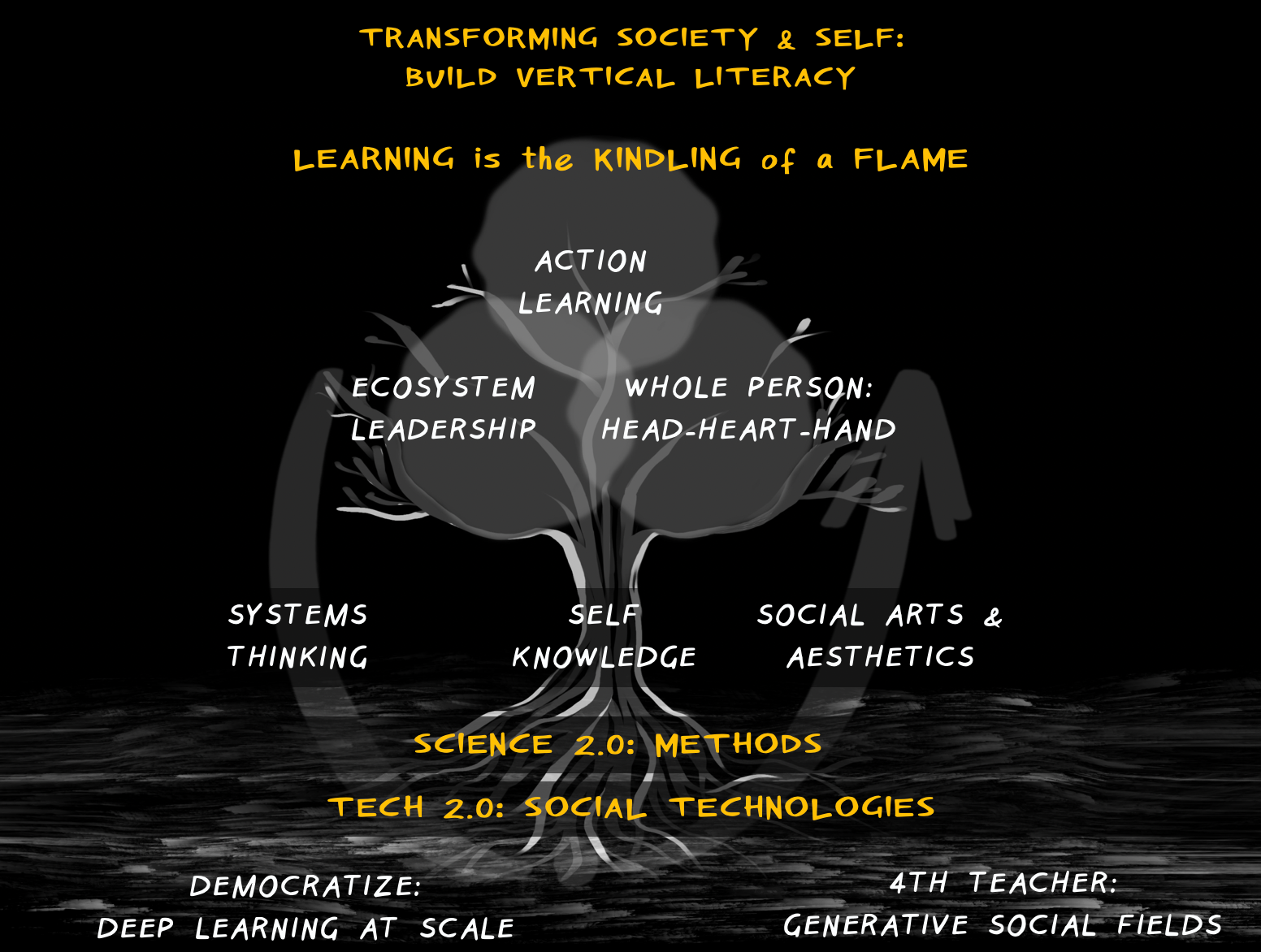
The principles below weigh in on this conversation from a bigger picture view: how to “update” the world’s educational system, particularly the university, to tackle the technological, environmental, and social disruptions of the 21st century. See figure 1.
Figure 1: Twelve Principles for Reinventing the 21st Century University (and Education)
The classical university was based on the unity of research and teaching; the modern university has been based on the unity of research, teaching, and practical application. I believe that the current historical moment, with one civilization ending and dying, and another being born, invites us to reconceive the 21st-century university as a unity of research, teaching, and the praxis of transforming society and self.
Yet, the current contribution of universities to societal transformation remains unclear. This is because the traditional output of universities — knowledge — is not the missing piece to catalyzing social change. Let’s consider the example of the Paris Agreement and the 17 Sustainable Development Goals (SDGs), the current global framework outlining the transformation objectives of the next decade.
The difficulties in implementing the Paris Agreement and the SDGs worldwide are not caused by a knowledge gap. The problem is lack of political will and a knowing-doing gap: a disconnect between our collective consciousness and our collective action. This gap leads us tocollectively create results that nobody wants: massive environmental destruction, societies breaking apart, and social media-induced mass separation from our deeper sources of self.
To address these profound challenges, we need new platforms and new capacities that upgrade our mental and social operating system from ego-system awareness to eco-system awareness.
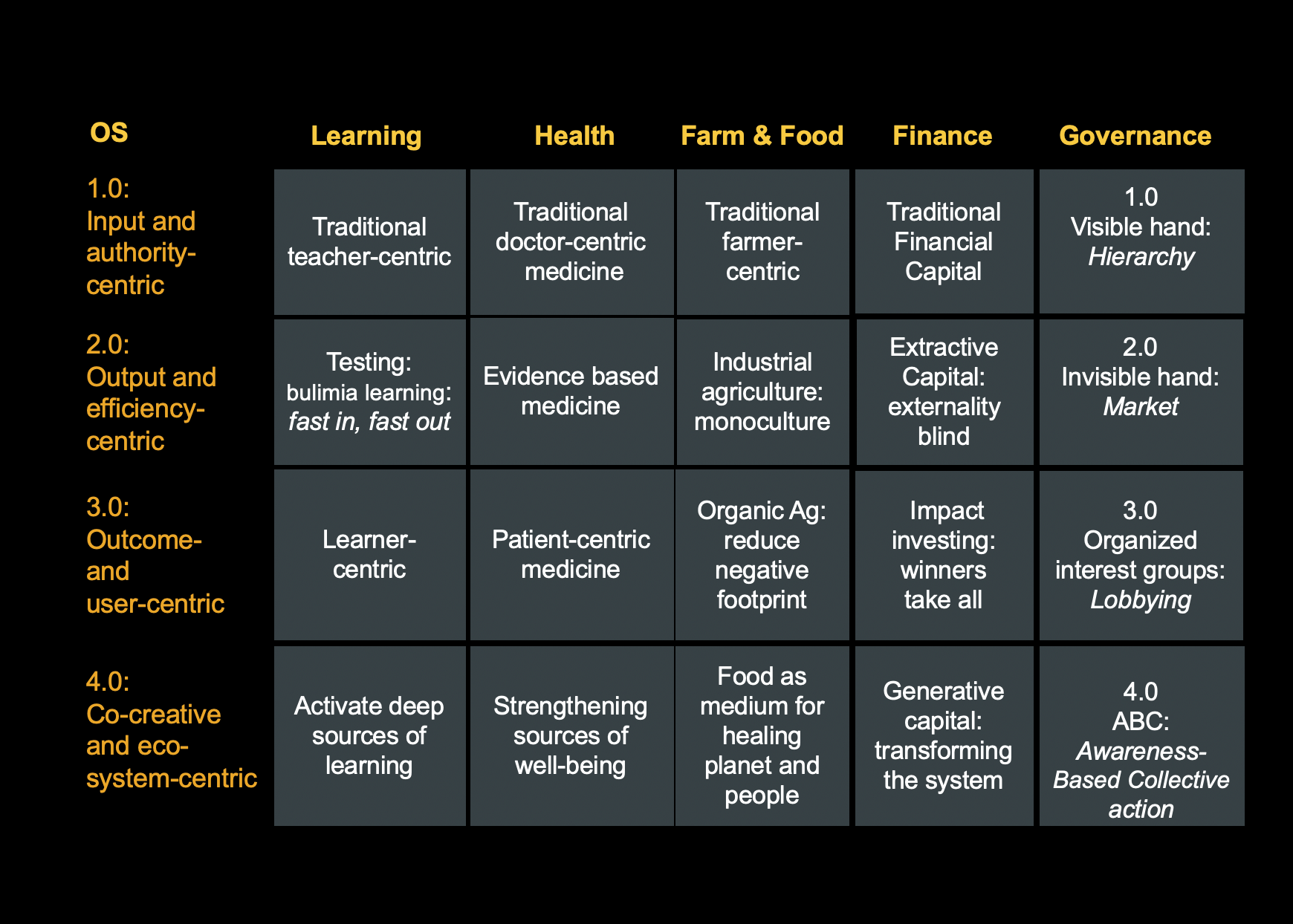
Figure 2 maps the evolution of key societal systems in terms of their OS (operating system):
· from 1.0 (input and authority-centric) and 2.0 (output and efficiency centric)
· to 3.0 (user-centric) and 4.0 (ecosystem-centric).
Figure 2: Four Types of OS, Four Stages of Systems Evolution (Source: O. Scharmer, The Essentials of Theory U)
Since I have presented this matrix in other places, here I will focus on its essence: the vertical dimension of the matrix maps the evolution of various societal systems in terms of their operating system (OS), including the evolution of the economy to post-capitalistic ways of operating. Each later stage includes the modes of the earlier stages, but in a new meta context. It also highlights how the collective knowing-doing gap persists because we try to solve level 4 problems with OS 1.0, 2.0, or 3.0. But, as we learned from Einstein, you cannot solve problems at the same level of thinking that created them.
The main problems in our universities and schools today is the lack ofvertical literacy. Vertical literacy is the capacity to lead transformative change, i.e., to shift the level of operating from 1.0 and 2.0 to 3.0 and 4.0 as needed by:
· seeing yourself — i.e. self-awareness — both individually and collectively
· accessing your curiosity, compassion, and courage
· deepening the space for listening and conversation
· reshaping the type of organizing from centralized to ecosystem
· cultivating governance mechanisms that operate from seeing the whole
· holding the space for profound transformation: letting go and letting come
This shift of focus is mirrored by the principal challenges we face across societal sectors, where we are often stuck in levels 1, 2, and 3 ways of operating, unable to progress to level 4. When you ask experienced CEOs and CPOs (chief people officers) of major companies, or public sector leaders, what they are trying to do and what they need, they typically say they need people who are agile and co-creative and who can make their organizations thrive in a world of volatility, uncertainty, complexity, and ambiguity. To restate that in terms of the matrix: they need capacities that can take their organizations to 4.0 ways of operating. When you talk to NGOs and civil society activists that try to change the economic system towards well-being for all, they basically say the same thing: we need to increase our capacity to collaborate and co-create across institutional and sector boundaries.
Then ask university leaders and deans of management and engineering schools the same question. There are some exceptions, but most are rather illiterate or uninformed when it comes to building the capacity for vertical development. They, like most of their faculty, live and operate most of their time in the straightforward 2.0 world of education (figure 2). Their thinking is framed in terms of horizontal development — for example, adding another skill here or another course there — not in terms of verticaldevelopment, which essentially deals with the evolution of consciousness. To use the analogy of the smartphone: they think in terms of adding anotherapp, not in terms of upgrading the entire operating system.
In short, vertical literacy is about leading transformation by shifting consciousness from ego-system awareness to eco-system awareness. I believe that in this century the primary reason for universities to exist increasingly lies in helping individuals, organizations, and societal systems to build such vertical transformation literacy.
The following 12 principles summarize what a 21st-century university could look like if we upgraded the entire OS towards vertical literacy. The principles are not just a compilation of ideas. They are derived from two decades of hands-on experimentation and from participating in a global movement of learners and educators that is taking shape as we speak. It’s a movement focused on reinventing universities and schools as platforms for helping people and their organizations transform themselves and make the world a better place — by pioneering solutions that bridge the three major divides of our age: the ecological, the social, and the spiritual divide.

1. Transforming Society & Self: build vertical literacy

If the 21st-century university is about the unity of research, teaching and transforming society and self, learners must go out into the real world and engage with the core challenges of our time. To be relevant for society, universities need to be relevant to the pressing challenges at hand, such as the implementation of SDG goals. One of the biggest roadblocks in making progress on these challenges is the gap between knowing and doing. Addressing that gap requires a vertical literacy for leading transformational change by shifting the awareness from ego to eco (consciousness-based systems change). These deep learning capacities need to be cultivated across all levels: at the level of individuals (holding the space for self-awareness), groups (deep listening and dialogue), organizations (from centralized to ecosystems), and the evolution of larger systems (coordinating through seeing the whole). All these dimensions are at play whenever you deal with transformational change in society.

2. Kindling: learning is the kindling of a flame

“Education is the kindling of a flame, not the filling of a vessel.” Those words of Plutarch are as true today as they were two thousand years ago. Still, the misconception of education as a vessel-filling activity remains. So, if the kindling of the flame is the ultimate core of all profound learning, why do we tend to leave it to chance in institutions of education? How do we create the conditions for this to happen more intentionally? Here are three gateways to helping learners discover their own journey in life and work.
o The flame can be ignited whenever you meet an inventor, entrepreneur, or change-maker who operates from his or her highest purpose and self. You meet these people, and being in their presence changes something within you. It’s subtle, but very real. It activates a spark.
o Simply get out of your own bubble — including the bubble of your campus — and immerse yourself in places of most potential, especially places of marginality, where you sense the system from the viewpoint of those who are on the receiving end of institutional racism and structural violence.
o Create environments and deep listening practices that allow learners to explore one deeper sources of knowing.

3. Action Learning: shift the outer place of learning

Students must learn by doing. Action learning inverts the traditional teacher-student relationship. Traditional educational relationships focus on explaining (by the teacher) and listening (by the student). In action learning the student is the change agent or entrepreneur, and the teacher is the coach, the helper who holds the space for the learner to activate her highest future potential. Developing action learning at scale requires very different learning infrastructures, including classrooms that are not primarily about content delivery but about reflection on action, which requires a different type of faculty that can hold the space for student-centric forms of learning.

4. Whole Person: shift the inner place of learning

Learners and change makers must cultivate different ways of knowing. While action learning shifts the outer place of learning from the classroom to the real world, whole-person learning shifts the inner place of learning from the head to the heart, and from the heart to the hand. Activating these different intelligences requires a deepening of the learning process by cultivating curiosity (open mind), compassion (open heart), and courage(open will).
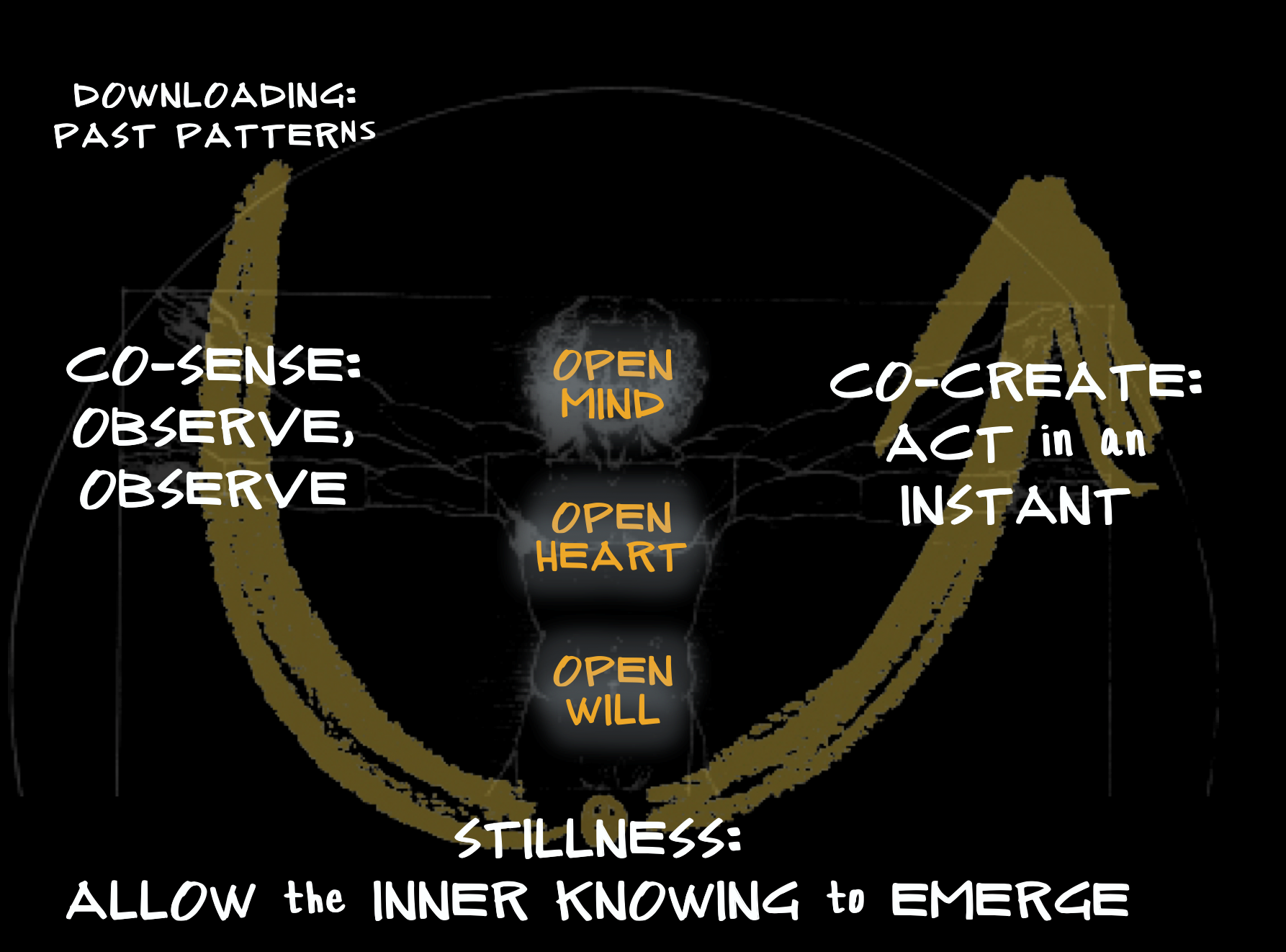
Figure 3: The Deep Learning Cycle for building vertical literacy (Theory U)
Figure 3 shows how these principles work together in a deepened learning cycle that goes through the stages of co-sensing: observe, observe, observe; stillness: allow the inner knowing to emerge; and co-creating: act in an instant (Theory U).

5. Ecosystem Leadership: build capacity from me to we

Students and learners must be ecosystem leaders, i.e., change-makers in their own context. The number one institutional leadership challenge across systems and sectors is how to become effective at ecosystem leadership challenges. How to convene a diverse group of stakeholders and partners and then take them on a journey from a silo to a systems view, from ego-system to eco-system awareness. Holding the space for such a journey is at the heart of all major leadership challenges today. It’s a capacity that is largely missing in organizations and insufficiently developed in higher ed. Real-world platforms and ecosystem partnerships in the cities and regions that universities are embedded in build that capacity by providing relevant “labs” for student participation and learning by doing.

6. Self-Knowledge: know thyself

Learners and change makers must know themselves. “Know thyself” has been at the foundation of wisdom traditions in both the East and the West. Today, in a world where old structures quickly dissipate, the quest for self-knowledge is even more mission-critical than before. “Who is my Self?” and “What is my Work?” are essential questions we need to ask ourselves not only as individuals, but also as organizations, as ecosystems, and — with artificial intelligence (AI), gene editing, and global SDG challenges looming — as civilizations: Who are we as human beings? Who do we want to be? What kind of future do we want to co-shape and be part of?
The currency that counts when it comes to self-knowledge is not ideas. Anyone can have an idea. You can pull one off the Web at any moment. The currency that counts at the bottom of the U process (figure 3) is practice. Practices are things that we do every day. Practices relevant to the development of self-knowledge include listening, contemplation, mindfulness, social-emotional learning practices as well as presencing practices (to sense and actualize one’s highest future potential).

7. Systems Thinking: make the system see itself

Learners and change makers must be systems thinkers. What is the most important practical contribution of systems thinking to the world? It’s the use of methods and tools that make the system see itself — i.e., that make people in the system see the patterns that they collectively enact. Students need to develop mastery in delivering these interventions at all levels of change: individuals, groups, organizations, and societal systems.

8. Social Arts and Aesthetics: make the system sense itself

Learners and change makers must be literate in the social arts and aesthetic practices. The knowing-doing gap is the disconnect between head and hand. So what is the gateway to overcoming that gap? Activating the heart. Activating the senses. Learners must be literate in “aesthetics” in its original meaning: aistesis — to sense. We must cultivate all of our senses.
Advanced systems thinking includes the capacity for systems sensing. Because making a system see itself is not good enough. To address the knowing-doing gap we have to make the system sense and see itself. How can you build this capacity at scale? Answer: through social arts-based practice fieldsSocial arts and social aesthetics-based practice fields are the main vehicles to developing these foundational capacities. They should be a core element of any student curriculum, because they provide the foundation for vertical literacy.

9. Science 2.0: bending the beam of scientific observation back onto the observing self

Students and change makers must have a method. Science uses particular methods to get the data to talk to us. Traditional science, however, limits the application of scientific methods primarily to one type of data — data based on third-person views. In the future we need to extend the concept of science by letting all three types of data talk to us: third-person (external observations), second-person (deep listening and dialogue), and first-person data (one’s own experiences). To do this we have to bend the beam of scientific observation back onto the observing self — i.e., we have to investigate not only external but also internal data, the more subtle aspects of our experience. Doing so will allow us to make the applied scientific method relevant to where it matters most in the context of this century: the cultivation and evolution of our self-knowledge not only as individuals, but also on the level of the collective. Because we cannot change a system, unless we change consciousness. And we cannot change consciousness, unless we make the system sense and see itself.

10. Tech 2.0: create awareness-based social technologies

To put this into practice — making a system sense and see itself — learners and change makers need new awareness-based social technologies. Today, literacy and proficiency in these social technologies is no less important than, say, calculus or reading. Social technologies build foundational skills for collaborating and operating in complex environments. They involve tools and practices for embodied knowing that rely not only on opening the mind (curiosity), but also on opening the heart (compassion) and the will (courage).
One example of this is 4D mapping, a practice that a research group at the Presencing Institute invented by using Social Presencing Theater, a blend between social science mapping, mindfulness, constellation, and theater methods. Invented a few years ago, 4D mapping is now being used by hundreds of teams across all sectors and cultures. In a two-to-three-hour workshop setting, it provides a reliable tool for getting a system to sense and see itself. The result of the practice is (a) a map that shows the deep structure of the system, (b) a shared language that allows stakeholder groups to address deeper structural issues, (c) a set of intervention points and prototype ideas for taking the system from here to there, and most importantly, (d) a shift in consciousness among the members of the group that alters their perspective from ego-system to eco-system awareness.
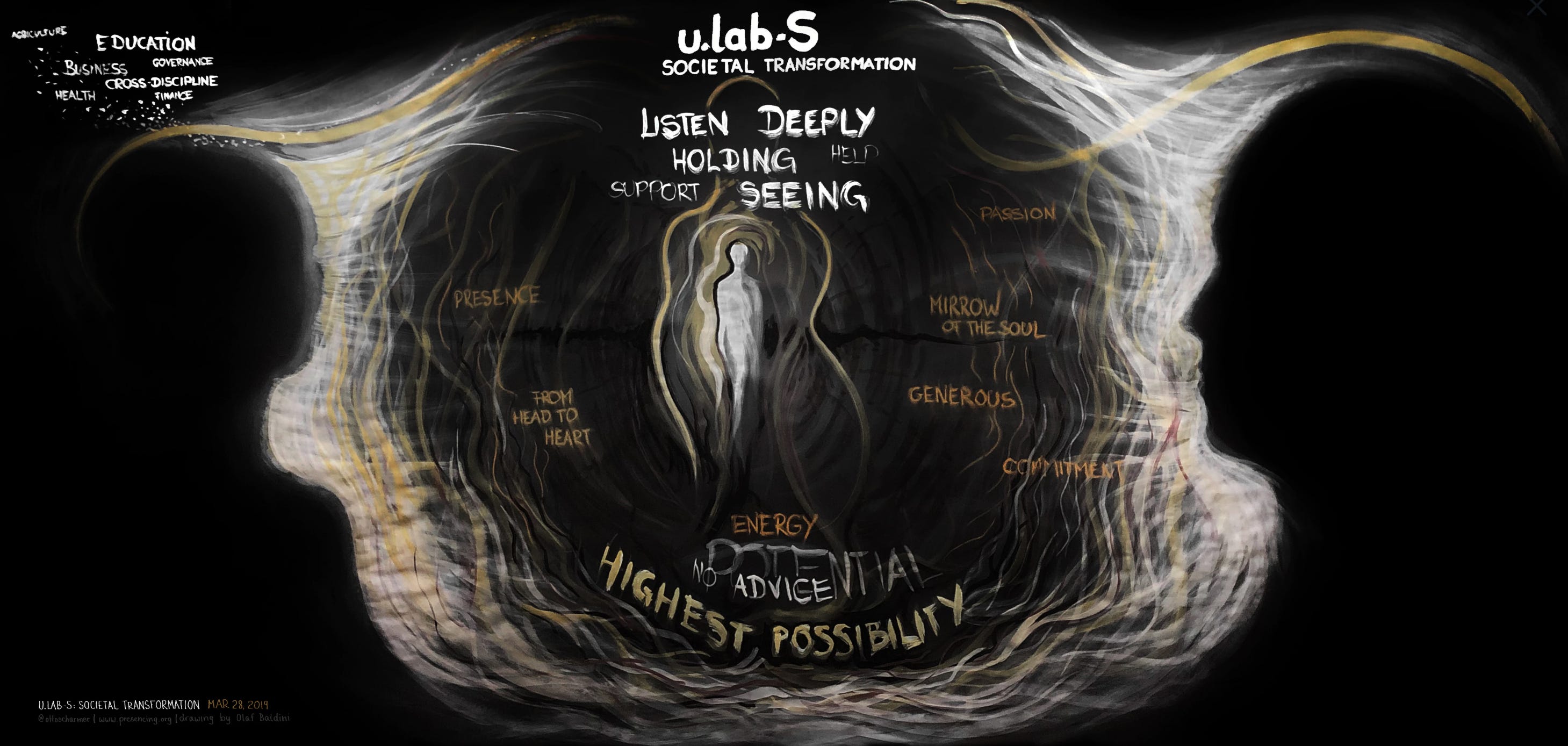
Here are two examples of social arts practices. The first one is a video clipon Social Presencing Theater. The second one is an example of Generative Scribing by Olaf Baldini in which he captures a recent deep listening-based, virtual peer coaching session with hundreds of participants in u.lab-S: Societal Transformation.
Figure 4: Example of Generative Scribing (by Olaf Baldini)
The picture depicts not only factual information of the session, but also visualizes the deeper essence of the process, which in this case has two people deeply listening to a third one, which opens up a space of “highest possibility” among them (figure 4). For the origins of Generative Scribing.
These are just two examples. Students and change-makers in this century need to be literate in state-of-the-art social technologies, because the capacity to co-sense and co-create will be our ultimate resource for dealing with the various breakdowns and disruptions that are already coming our way.

11. Democratize: build infrastructures for deep learning at scale

Learners and change makers must facilitate deep learning at scale. The democratization of access to knowledge is one of the main accomplishments of recent decades. Yet, access to quality education and access to a deep learning cycle are not as readily available. MIT, for example, has been a major driver in making educational content freely available online for anyone (through OpenCourseWare [OCW] and edX). However, studies have shown that online learning tends to be shallow (head-centric) and the completion rate is low. So, what does it take to make the deep learning cycle (involving head, heart, and hand) available to everyone?
With that question in mind, we rolled out a prototype for a massive open online course (MOOC) called MITx u.lab four years ago. With more than 125,000 registered users that have formed more than 1,200 communities across the world, we have demonstrated a radical decentralization of the classroom (or holding space) for deep learning. Exit surveys showed that more than 30% reported “life-changing” experiences. As of this year, we have made the methods available to teams that want to take their change intention from idea to prototype. This global ecosystem of place-based teams through an online-to-offline support structure is currently also used and supported by MIT students (in a class that i co-teach at the Department for Urban Studies and Planning), who apply the tools to their own change initiatives. In doing so, they learn to operate the basic tools of 21st-century movement building.

12. The Fourth Teacher: cultivate generative social fields

Learners and change makers must be able to experience and cultivate generative social fields. Who are the main teachers in our journey toward making the deep, transformative learning cycle accessible to everyone? The Reggio Emilia approach is known for seeing place as the third teacher (with the learner and the educator being the first two). Building on that foundation, we have come to see the cultivation of generative social fields, of relationships among learners, educators, parents, community members, and nature, as a powerful gateway to the deeper sources of knowing (”the fourth teacher”). What is a great university, a great school? First and foremost, it is a generative social field. Which brings me to my closing point.

Institutional inversion: practice ecosystem breathing

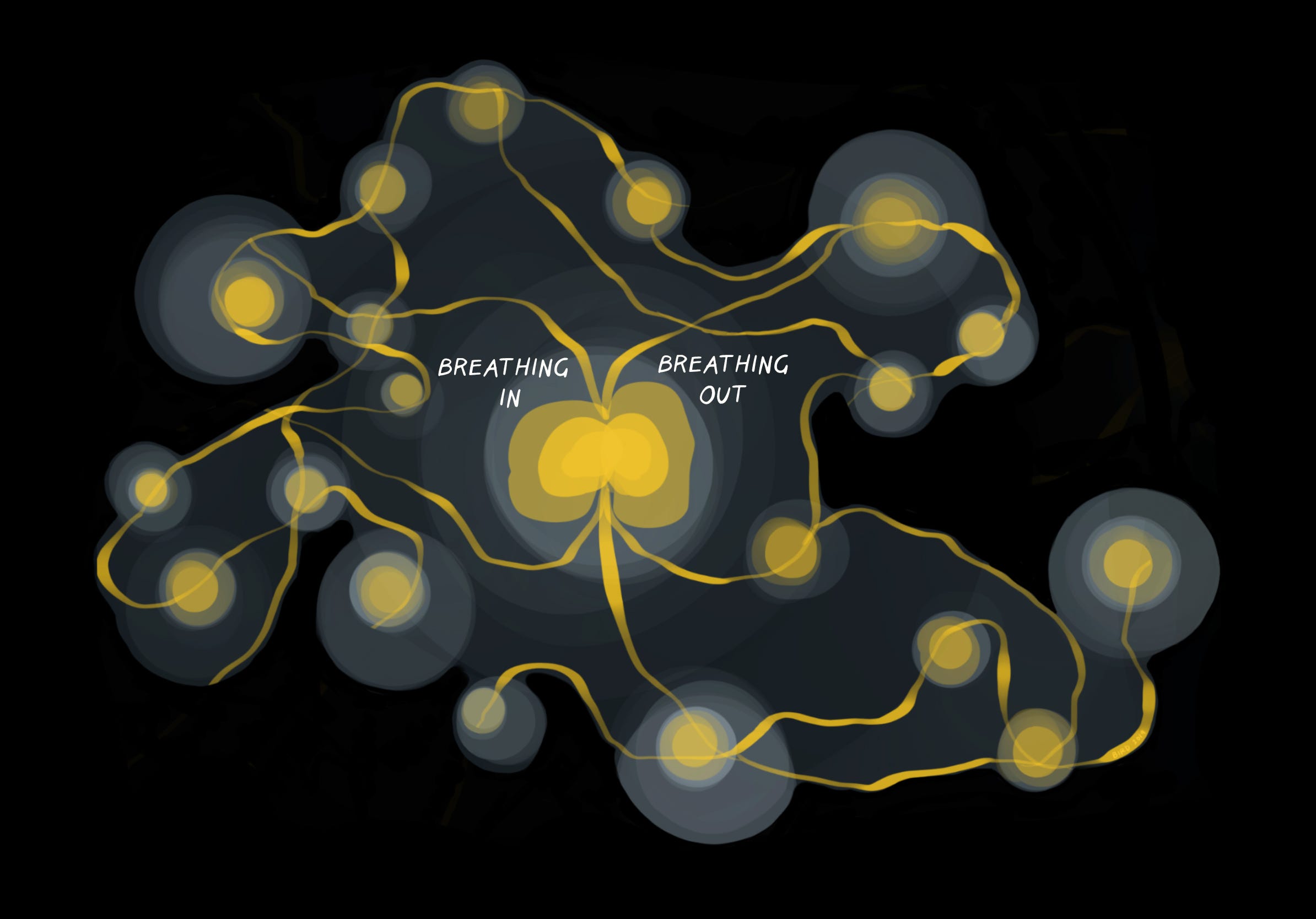
Figure 5: Ecosystem Breathing (by Kelvy Bird)
So, do the Friday For Future demonstrations by high school kids and young people in Europe belong to this extended notion of learning?
It depends. Seen from the school and university of the past, they do not. Seen from the emerging school and university of the future, as outlined in the 12 principles above, of course they do. They are part of the new global university and school in the making. That new school is characterized by “institutional inversion”. Inversion means turning the inside out and the outside in. “Inside out” in this case means that learners leave the classroom and engage with the major hotspots of societal innovation in their own cities, regions, and ecosystems. In short: the city, the region, and the global ecosystem is the classroom. “Outside in” means that the problems, the challenges of the world, are brought back onto the campus where they can be at the center of study and scientific inquiry. In short: the challenges of the world, and of societal transformation, are the curriculum.
The dynamics of this inversion can be thought of as an “ecosystem breathing process” where action learners and action researchers move out into the real world and engage in the frontlines of societal change (“breathing out”); and change-makers from across sectors and systems regularly bring their experiences on campus in order to share, reflect, co-sense, and co-create new ways of operating (“breathing in”). The new university is coming into being through this process of ecosystem breathing, through functioning as a ‘living organ’ of a larger social ecosystem — such as a city, a region, or a global community— that it helps to sense and see itselfin order to co-shape its next wave of collective opportunities.
At the heart of the breathing process is vertical literacy — the capacity to shift one’s consciousness from one level to another, from ego to eco.
Figure 6 sums up the above by highlighting the two key changes that currently reshape all our innovative learning systems: deepening the learning cycle (from head-centric to whole person) and broadening it (from individual to eco-system).
Figure 6: Matrix of Learning and Leadership: Broadening, Deepening
In other words, we need to move the main focus of our societal learning infrastructures from the bottom left (which currently consumes probably 90 % of our attention and resources today) to the entire matrix in general, and the top-right area of the matrix in particular, which currently tends to be in the blind spot of our learning systems (example for the top-right: Societal Transformation Labs).
The twelve principles are pointers that help us to progress on this journey from the bottom left to embracing the entire matrix. In doing so schools and universities expand their focus to the ‘breathing’ and the well-being of the entire city or ecosystem that they are embedded in. Broadening and deepening the learning cycle in these ways grounds our institutions of higher ed in the praxis of transforming society and self. Because societal and personal transformation are not separate — they are two different aspects of the same deeper evolutionary process. Supporting this process in ways that are more intentional, systemic, personal, and practical — and making these new learning infrastructures accessible for all the world’s future Gretas — may well be the biggest single leverage point of our time.

For the remainder of this year, my monthly blog posts will offer practical examples of how to reinvent our economies, democracies, and educational systems in ways that embody a shift of consciousness from ego to eco. I’ll write about principles and practices that allow you to become a co-shaper of this movement. A monthly online dialogue series on the same topics will invite you to join the conversation.
To take part in the Dialogue on Societal Transformation series, click hereand scroll down to the announcements section.
I want to thank my colleagues Eva Pomeroy for her super helpful comments,Rachel Hentsch and Sarina Bouwhuis for commenting on and editing the draft, as well as Olaf Baldini and Kelvy Bird for their amazing work in Generative Scribing.


Source: https://medium.com/presencing-institute-blog/vertical-literacy-12-principles-for-reinventing-the-21st-century-university-39c2948192ee

Saturday, August 31, 2019

Theory U - Leading From the Emerging Future

1. Leading Change in Times of Disruption: Learn how to lead change in social systems by exploring two root questions of creativity: Who is my Self? What is my Work?

In this 90-minute introductory course discover how awareness based systems change and a method of learning from the emerging future allow individuals, organizations, and communities to turn ideas into real world change.

By completing this business and management course, you will learn the basics of Theory U, an approach to leading profound change that has been developed by action researchers at MIT, and practiced by leaders around the world, for over 20 years.

You will also join a global community of awareness based change makers that collaborate in manifold change processes across cultures.

What you'll learn:

Basics of Theory U
The leadership knowledge that matters most: self-knowledge.


2. Leading From the Emerging Future (Start on 12.09.2019)
An introduction to leading profound social, environmental and personal transformation.
https://www.edx.org/course/ulab-leading-from-the-emerging-future

"Theory U, a framework, method, and way of connecting to the more authentic aspects of our self. It introduces the variable of consciousness into management and the social sciences, and proposes that the quality of the results that we create in any kind of social system is a function of the quality of awareness, attention or consciousness that the participants in the system operate from. This approach to leading change is practiced by business, government, and civil society leaders around the world."