|
|
|
|
|
|
|
|
|
|
|
|


 Generation Z
Today’s teens are members of Generation Z. Born after 1995, they represent about 25% of the U.S. population. Recent
research has shown that they are pragmatic, digitally
hyper-connected, and informed. They are also socially-conscious and
entrepreneurial, say researchers.
Be a Model. “The
biggest way to demonstrate the importance to your teens of living green is to
model good behavior at home,” noted my former colleague, Jeff. He added, “It’s also important is to make
sure you get involved in issues and programs in your community.”
In Jeff’s case, that meant stepping up to serve as advisor
for his daughter’s initiative, a high school environmental club, until suitable
school staff could take over. “Through my guidance, they were able to
accomplish a lot of great things at their school and received a lot of
recognition, including scholarships,” he said.
Look for opportunities at
home to foster your teen’s green
side. For example, involve them in brainstorming ways to reduce
household and personal energy and water use. Tap into their entrepreneurial side by challenging
them to come up with ideas for new green businesses or for greening existing
businesses they care about.
|
Encourage
Volunteerism. “Service and volunteering is increasingly a big deal for
teens. It’s something that they know is important, for example, on college
applications,” said Kevin McDonald, a father of two teens.
Indeed, the research confirms Kevin’s observation. A 2014 study
found 77% of high school students on a national level either extremely or very
interested in volunteering. The top three things they reported wanting to
get out of it were new skills, work experience, and mentorship/networking.
At VolunteerMatch.org,
teens and adults can search for volunteering opportunities based on location
and interest area. A recent search
turned up 60 environment-related opportunities in the Twin Cities area. Hands
on Twin Cities is another good source.
The organization DoSomething.org inspires teens to volunteer and take action on causes they care about by
providing a ton of fun project ideas and information.
Conservation
Corps Minnesota & Iowa offers a few different environment-related
service programs for teens age 15-18. Teens in one such program, Youth
Outdoors, participate in environmental restoration projects within the Twin
Cities. Teens 18 and over are eligible to serve as AmeriCorps members in a
variety of settings.
Citizen
science provides teens with an opportunity to combine volunteerism and the great outdoors. See Living Green 365: Citizen Science for resources and information.
Lastly, check with schools, nature centers, park and rec
departments, local nonprofits, and local government offices for leads and
information on volunteering. Earth Day, Arbor Day, and similar events often provide many volunteering opportunities. High
school environmental clubs like the one that Jeff’s daughter started are
another good option.
Additional Resource: WaysToHelp.org exists to engage, inspire and enable high school students to make a
positive difference in the world. It does this by making it easy for
them to learn about, and take action on, sixteen of today's most
pressing social issues as well as providing teens & schools with
toolkits to improve in-school food and volunteer drives.
WaysToHelp.org offers grants (up to $500) to teens in the U.S. to to fund their community service ideas across any one of 16
issue areas, including clean water, land preservation, global warming
and recycling.
|
Expose them to
Nature. Exposure to nature can result in a lifelong interest in environmental protection and
conservation.
Invite
your teen to go on nature walks and hikes, biking, camping,
fishing, canoeing, and similar. Involve them in planning outdoor
activities
that the family can do together. Need to sweeten the deal to gain your
teen’s participation? Encourage/allow her to invite a friend along.
For additional inspiration and ideas, check out familiesoutdoors.org.
Encourage biking/walking. For
many teens, learning to drive a car is a rite of passage. Parents may
find themselves under increased pressure to hand over the keys.
Chat with your teen about the environmental impacts of driving. Encourage him to bike or walk to activities and places
that are within a reasonable distance. Teach her how to take the bus or other means
of public transportation (for the Twin Cities area, click on "How to Ride" at metrotransit.org).
Consider meeting your teen halfway when the opportunity arises. “I told
my 15 year old son that I would buy him any bike that he wanted, an IPhone 6,
and a bus pass if he would agree to wait until he’s 18 to get his driver’s
license,” said Ned. Given the costs of insurance, gas, vehicle wear and tear,
and the many environmental impacts of driving, this type of “negotiated
settlement” can potentially be a win-win.
|

Plug into their
digital world. Smartphones. Gaming systems. Tablets. Laptops. Teens
love their gadgets, and being “connected” is virtually a requirement anymore. Unfortunately,
the same devices that they adore can be huge energy wasters.
Lots of devices use power even when they’re in standby mode. Ask your
teen to unplug her digital devices—and their cords—when they’re
done charging. Where possible, install advanced
(aka smart) power strips in your home.
Other ideas:
|

 Courtesy of Grand Canyon National Park

Photo by Lawrence OP under a Creative Commons license.
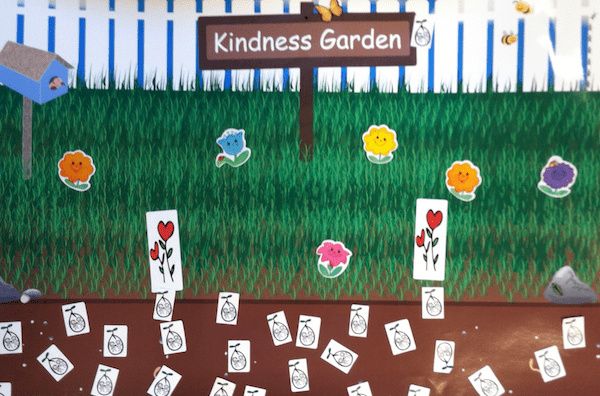
“Students who went through the curriculum showed more empathy and kindness and a greater ability to calm themselves down when they felt upset, according to teachers’ ratings.”

 NRDC
analysis illustrates the potential for billions of gallons of rainwater
falling on eight U.S. cities to be harvested every year
NRDC
analysis illustrates the potential for billions of gallons of rainwater
falling on eight U.S. cities to be harvested every year“Our analysis shows that solutions to one of America’s biggest urban challenges are right in front of us – in this case, literally falling from the sky,” said Noah Garrison, lead author of the report and NRDC water policy analyst. “The potential exists for cities throughout the U.S. to capture hundreds of millions or even billions of gallons of rainwater each year from urban rooftops. We encourage policymakers to look closely at the bottom-line benefits of rooftop rainwater harvesting, and consider implementing policies and incentives that generate more momentum for rainwater collection while making the practice more accessible as well.”Specifically, NRDC’s report illustrates opportunities for capturing, treating and supplying harvested rainwater for non-potable purposes in Atlanta, Ga.; Austin, Texas; Chicago, Ill.; Denver, Colo.; Fort Myers, Fla.; Kansas City, Mo.; Madison, Wisc.; and Washington, D.C. Several success stories also demonstrate the effectiveness of rooftop rainwater capture for new construction in New York, N.Y., and redeveloped buildings in Santa Monica, Calif. The total annual volume of rainwater falling on rooftops in these cities alone, if captured in its entirety, would be enough to meet the water supply needs of at least 21 percent to as much as 75 percent of each city’s population.
“Urban areas struggling with water supply issues and runoff pollution should look to this report for ideas and encouragement,” said Jon Devine, senior attorney in NRDC’s water program.NRDC encourages cities and states to develop policy options and incentives to encourage more rainwater harvesting. These include: